

pattern glass types
Understanding Pilot Operated Check Valves Pilot operated check valves are essential components in hydraulic systems, providing a robust solution for controlling the flow and preventing backflow. These valves combine the features of a standard check valve with those of a pilot control mechanism, enhancing their functionality and application in various industries. This article explores the operation, advantages, and applications of pilot operated check valves. Operation Principle A pilot operated check valve consists of two main parts the main valve and the pilot valve. The main valve is responsible for allowing fluid flow in one direction while preventing any reverse flow. The pilot valve, on the other hand, is controlled by external signals and modifies the conditions under which the main valve operates. When the system is pressurized in the desired flow direction, the pilot valve opens, allowing the pressure to act on the area beneath the main valve disc, keeping it in an open position. This design allows for normal operation, where fluid flows through the valve with minimal resistance. However, if the flow attempts to reverse, the pressure drops, and the pilot valve closes, allowing the main valve to shut and preventing backflow. This unique operation ensures that the system maintains its integrity and operates efficiently under various conditions. Advantages of Pilot Operated Check Valves 1. Minimal Pressure Drop One of the key benefits of pilot operated check valves is their low pressure drop across the valve. Traditional check valves can exhibit higher pressure drops due to their simpler design, which can impede performance in hydraulic circuits. In contrast, pilot operated check valves maintain a smooth flow path during operation, thus optimizing system efficiency. 2. Enhanced Control The ability to control the pilot valve externally means operators can dictate specific operational parameters more precisely. This enhances control over the hydraulic system, allowing it to respond effectively to varying demands and operating conditions. pilot operated check valve 3. Preventing Unwanted Movement In applications where load holding is critical, pilot operated check valves provide reliable protection against unexpected movement . For instance, in hydraulic lifting systems, these valves ensure that a lifted load remains secure in case of a power failure or system malfunction. 4. Versatility Pilot operated check valves are adaptable and can be used in a variety of settings, from construction equipment to industrial machinery. Their versatility makes them a popular choice in industries that require fluid power systems, including manufacturing, automotive, and aerospace. Applications The applications of pilot operated check valves are extensive, spanning a myriad of industries. In mobile equipment, such as excavators and cranes, these valves are crucial for maintaining load stability during operation. They prevent the sudden drop of loads if a hydraulic failure occurs, thereby improving safety and reliability. In stationary hydraulic systems, such as those found in manufacturing plants, pilot operated check valves are used to manage fluid flow in complex piping layouts. Their efficiency helps in reducing energy consumption, making them an integral component in modern hydraulic solutions. Moreover, in the oil and gas industry, these check valves help regulate the flow of fluids in high-pressure environments, ensuring the safe transportation of materials. Their ability to handle high fluid velocities while preventing backflow makes them indispensable in such critical applications. Conclusion Pilot operated check valves offer exceptional control and reliability in hydraulic systems, making them vital components across various industries. Their unique operational mechanism provides numerous advantages, such as minimal pressure drop, enhanced control, and versatility, making them suitable for diverse applications. As industries continue to evolve and demand more efficiency and safety, the role of pilot operated check valves will undoubtedly remain significant in fluid power technology.
about
pattern glass types
The Importance of Spirit Levels in Construction and DIY Projects A spirit level is an essential tool that is widely used in construction and DIY projects to determine whether a surface is horizontal (level) or vertical (plumb). The humble spirit level has undergone significant evolution from its ancient beginnings, and today it comes in various types and sizes. This article focuses on a set of three spirit levels, highlighting their importance, features, and applications in both professional and amateur contexts. Understanding Spirit Levels At its core, a spirit level consists of a sealed glass tube filled with liquid, which contains a small air bubble. The position of this bubble indicates the level of the surface. When the surface is perfectly horizontal, the bubble is centered between marked lines. Conversely, when the surface is tilted, the bubble moves towards one end of the tube, indicating the direction of the slant. This simple yet effective mechanism is what makes spirit levels invaluable in achieving accuracy in construction work. The Set of Three Spirit Levels Advantages and Usability A set of three spirit levels typically consists of a short level (often 12 inches), a medium level (usually 24 inches), and a long level (36 inches or more). Each size serves a specific purpose, enhancing the versatility of the set while allowing the user to tackle different tasks with precision. 1. Short Spirit Level (12 inches) Small and portable, the short spirit level is perfect for tight spaces and small projects. It is particularly useful for hanging pictures, shelves, or installing cabinetry. Its compact size allows for easy handling and maneuvering, making it a favorite among DIY enthusiasts. set of 3 spirit levels 2. Medium Spirit Level (24 inches) This middle-sized level strikes a balance between portability and usability. It is widely used for various tasks, including grading, ensuring that longer furniture pieces like tables are level, or when aligning countertops. Its versatility makes it a go-to tool for professional contractors, as it can effectively fit into most situations without being cumbersome. 3. Long Spirit Level (36 inches+) The long spirit level is designed for larger projects, such as framing walls, laying down flooring, or checking the alignment of long structures like fences. Its extended length provides better stability and accuracy over a greater distance, which is crucial for larger-scale construction tasks. This level minimizes the risk of error that may occur when working with multiple shorter levels. Applications in Various Fields The applications of spirit levels extend beyond construction work; they are also invaluable in various industries such as cabinetry, plumbing, and electrical installation. For example, carpenters rely on spirit levels to ensure that cabinets, doors, and window frames are perfectly aligned. Plumbers often use them to check the slope of pipes, ensuring proper drainage. Even electricians use spirit levels to install light fixtures straight and evenly. Conclusion In conclusion, a set of three spirit levels is an essential investment for anyone involved in construction or DIY projects. Each level serves a unique function, allowing users to achieve precision in their work, no matter the size of the project. The combination of a short, medium, and long spirit level provides the tools necessary to tackle a variety of tasks, from the simplest home decor to complex construction challenges. With their straightforward design and reliable functionality, spirit levels continue to be a staple in the toolbox of professionals and DIY enthusiasts alike, emphasizing the age-old saying that the level is the foundation of quality work. Whether you're a seasoned contractor or a weekend warrior, having a set of three spirit levels ensures that your projects stand the test of time and look great in the process.
-

High quality industrial productsagement

High quality industrial products
View Details -

Meet the diverse needs of customers

Meet the diverse needs of customers
View Details -

Strict quality control

Strict quality control
View Details -

Top raw materials

Top raw materials
View Details -

Trusted supplier

Trusted supplier
View Details
Our application
news and information

using bore gauge
An Essential Guide to Using Bore Gauges Bore gauges are indispensable tools in machining and manufac

Water Control Valve for Efficient Shut-Off in Plumbing Systems
Understanding Water Shut Off Valves Importance and Functionality Water shut off valves are critical
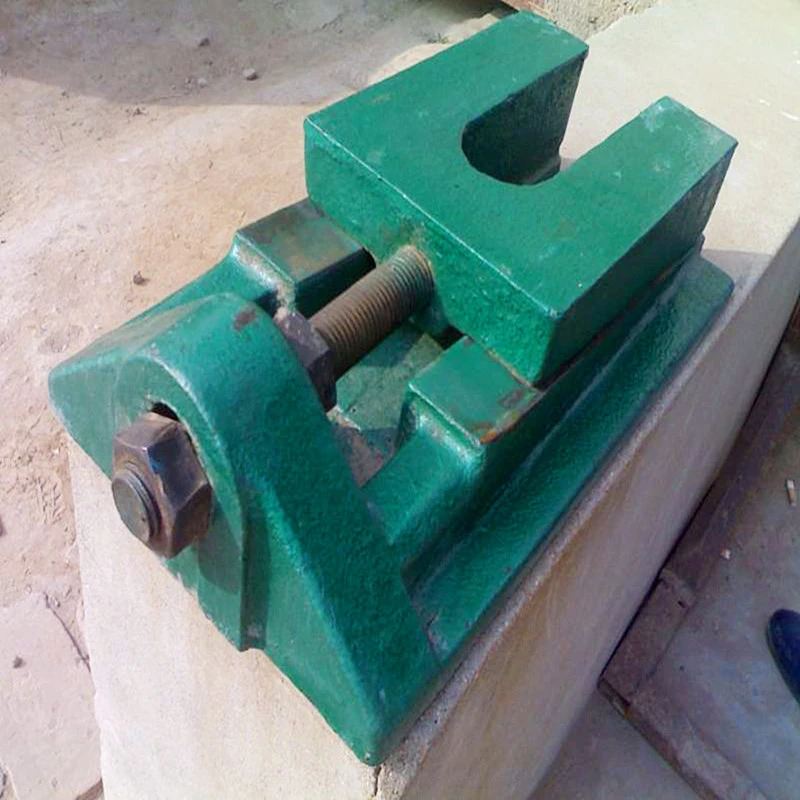
Using a Spirit Level for Accurate Measurements and Leveling Techniques
Understanding Spirit Level Measurements A Guide to Precision in Construction and Crafting In constru
 English